
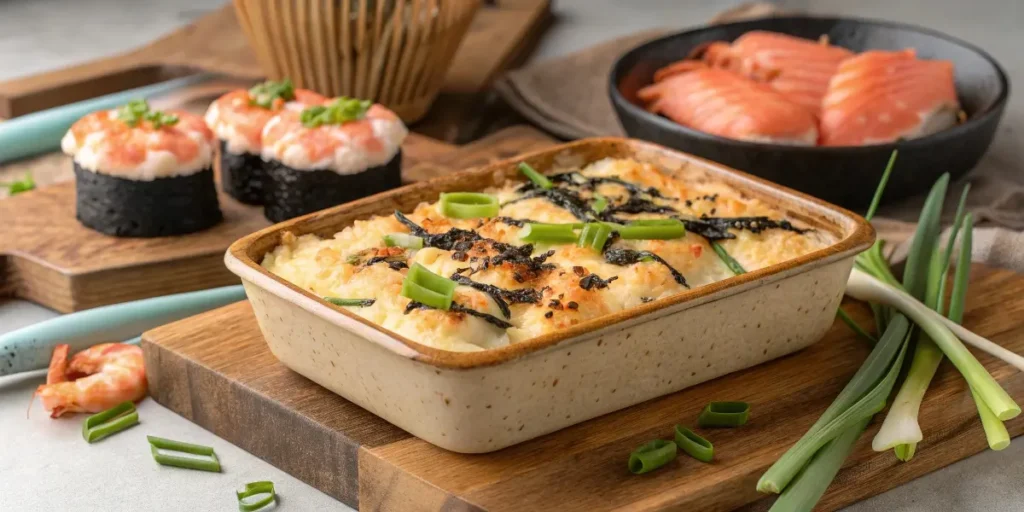
Sushi bake has become an internationally beloved dish, known for transforming the traditional sushi experience into a warm, comforting casserole that’s perfect for sharing. While sushi itself is famously Japanese, sushi bake is a distinctly Filipino innovation. Originating in the mid-2010s Philippines, this dish combines staple sushi ingredients in a uniquely baked format that quickly caught the imagination of food lovers worldwide. In this article, we explore the fascinating story of which country made sushi bake, its natural foundations, and the cultural journey that brought it to global kitchens.
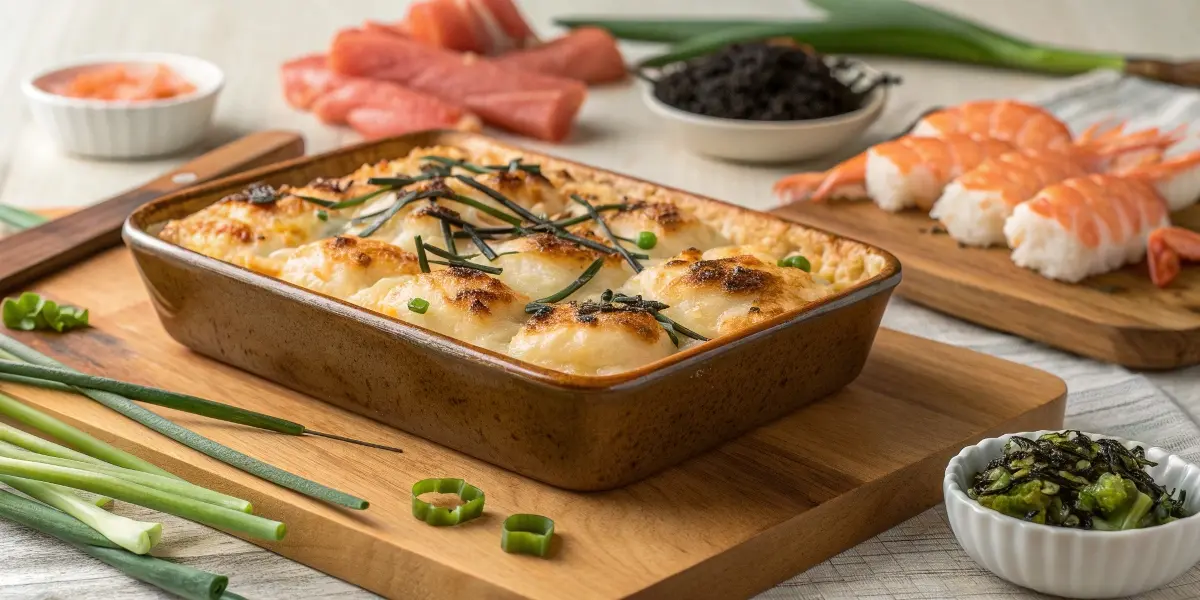
Tracing Sushi Bake Filipino Roots
Sushi bake was born out of Filipino home kitchens as a creative way to enjoy sushi flavors without the precise rolling or raw fish handling of traditional sushi. Instead, Filipino cooks layered vinegared sushi rice, seafood, and creamy mayo-based toppings in casserole dishes and baked them to golden perfection. This approachable, shareable form of sushi became popular for family gatherings, potlucks, and communal dining, reflecting the Filipino love for shared meals and bold flavors.
This beloved dish grew organically within the Philippines before social media propelled it on a rapid rise. Its comforting warmth and indulgent toppings made it a perfect candidate for viral recipe videos and food trendsharing platforms, propelling Filipino culinary creativity onto the world stage.
The Core Ingredients That Define Filipino Sushi
Sticky, Seasoned Sushi Rice
The base of sushi bake is authentic short-grain rice cooked to a naturally sticky consistency, then seasoned with a blend of rice vinegar, sugar, and salt. This creates the essential sushi rice experience which serves as the foundation for layers of toppings.
Protein-Packed Seafood Mixture
Commonly, crab meat (or imitation crab), shrimp, and salmon are used as the main protein layers. These cooked seafood options deliver the dish’s rich umami character, balancing perfectly against the creaminess of the topping.
Creamy Mayo-Based Toppings with a Kick
The signature topping blends mayonnaise with sriracha or other spicy sauces, adding depth and a satisfying tang. Often garnished with crushed seaweed, crispy tempura bits, and sesame seeds, the topping elevates the textural and flavor profiles.
How Social Media Accelerated Sushi Global Popularity for Audience
Platforms like TikTok, Instagram, and YouTube played crucial roles in turning sushi bake into a viral culinary sensation. Home cooks and influencers captured the dish’s golden, bubbly appearance and shared step-by-step recipes that anyone could follow at home. This visual and shareable nature inspired a global audience, leading to countless recipe interpretations and adaptations worldwide.
A Simple Guide
- Cook sushi rice properly: Rinse and cook short-grain rice, then season with rice vinegar, sugar, and salt.
- Prepare your proteins: Pre-cook crab meat, shrimp, or salmon, or use ready-to-eat options.
- Create the creamy topping: Blend mayonnaise with spices like sriracha for balanced heat.
- Layer your ingredients: Press sushi rice into a baking dish, layer seafood and then the topping evenly.
- Bake: Cook in a hot oven until bubbling and golden on top.
- Garnish: Add seaweed flakes, scallions, and crushed tempura bits before serving.
Frequently Asked Questions
Where did sushi bake originate?
Sushi bake originated in the Philippines in the mid-2010s, created as an accessible and shareable version of sushi adapted to Filipino tastes and cooking styles.
Is sushi bake traditional Japanese cuisine?
No, sushi bake is a fusion dish inspired by Japanese sushi but developed independently in the Philippines, shaped by local ingredients and social dining culture.
How did social media influence sushi bake’s popularity?
Social media platforms launched sushi bake into a viral hit by highlighting its vibrant appearance and approachable recipe, motivating widespread experimentation and sharing.
Are there restaurant versions of sushi bake?
Yes, sushi bake has moved from home kitchens to the menus of many Filipino and fusion restaurants internationally, reflecting its rising popularity.
Conclusion: The Natural Filipino Innovation
Sushi bake exemplifies how culinary creativity and cultural exchange can create exciting new dishes. Rooted in Filipino innovation yet inspired by Japanese tradition, it embodies warmth, community, and flavor in every bite. Try making it at home and explore more delicious fusion recipes for sushi at our Cook And Eats recipe hub.